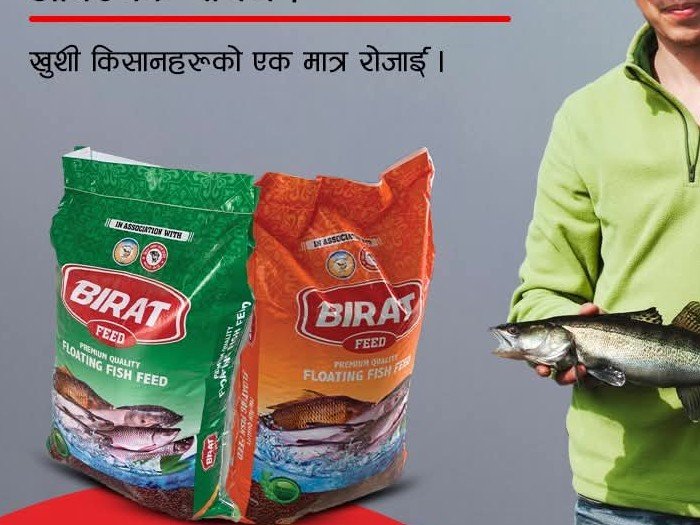
Fish feed comes in two kinds: pellets that float and pellets that sink. Neither is best for every pond. This is how to choose.
| Compare | Floating feed | Sinking feed |
|---|---|---|
| Where the pellet goes | Stays on the surface | Falls to the bottom |
| Can you see the fish eat? | Yes | Hard to tell |
| Feed that is left over | Easy to see and take out | Settles and spoils the water |
| Suits | Fish that rise to feed, such as pangas and tilapia | Fish that feed low in the water |
Floating feed
Floating pellets stay on the surface until the fish eat them. That has three advantages:
- You can see the fish eat. When they stop rising, you stop feeding.
- Less feed is lost. Feed that is not eaten does not sink into the mud.
- The pond stays cleaner. Less rotting feed means better water.
Sinking feed
Sinking pellets fall to the bottom. They suit fish that feed low in the water. The difficulty is that you cannot see whether the fish are eating. Feed that is left over settles and spoils the water, and you only find out later.
How to choose
- What do you grow? Fish that feed at the surface do well on floating feed.
- Can you watch the pond? If you cannot tell whether the fish are eating, you cannot tell how much to feed.
- How clean do you want the water? Wasted feed is the quickest way to dirty a pond.
If you cannot tell whether the fish are eating, you cannot tell how much to feed.
The one rule to remember
What we make
At our plant in Khanar, Itahari, we make floating fish feed for pangas, tilapia and carp, and we use it on our own ponds first.
Not sure what suits your farm? Call or WhatsApp us on +977 9820757735 and tell us what you keep. We will help you choose. You can also see our floating fish feed, or read the questions farmers ask us.